

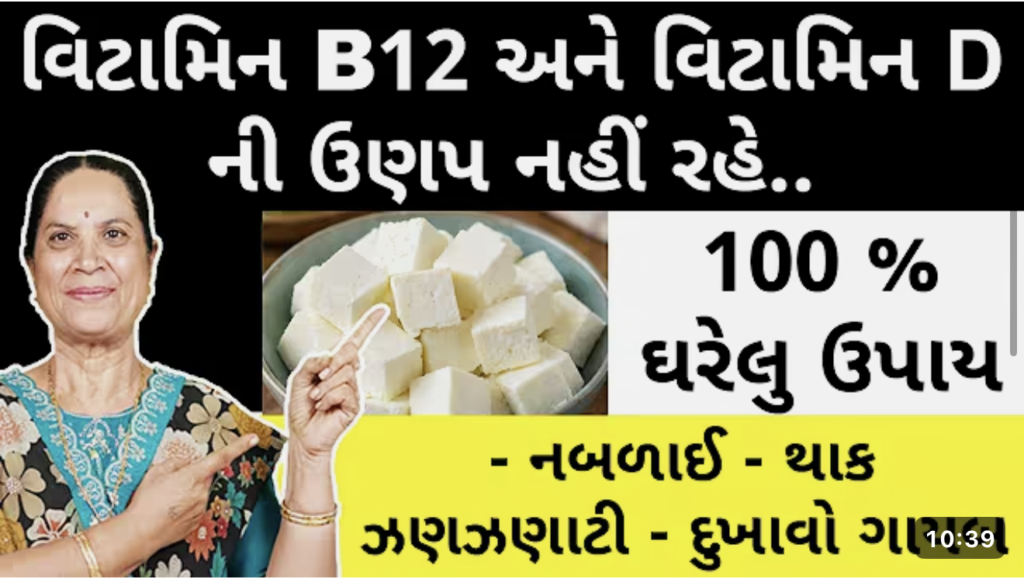
Vitamin B12 and Vitamin D deficiencies are two of the most common nutritional gaps globally, frequently occurring together due to modern indoor lifestyles and specific dietary habits. Because both play critical roles in the nervous system, cell metabolism, and musculoskeletal health, a concurrent deficiency can significantly multiply your feelings of exhaustion and body aches.
Shared and Overlapping Symptoms
When you lack both vitamins, their overlapping roles can cause a wide array of symptoms:
- Severe Fatigue: Constant low energy, as B12 is needed for red blood cells (oxygen delivery) and Vitamin D regulates muscle and cellular energy.
- Neurological Issues: Numbness, tingling, or a “pins and needles” sensation in the hands and feet (primarily B12), alongside brain fog, memory lapses, and poor concentration.
- Muscle & Bone Aches: Weakness, deep bone pain, joint aches, or frequent muscle cramps (primarily Vitamin D).
- Mood Disturbances: Increased risk of depression, anxiety, irritability, or unexplained mood swings.
- Impaired Immunity: Falling sick often or catching respiratory infections easily.
આને પણ વાંચો; ડાયાબિટીસ ના શરૂઆત ના લક્ષણો હોય તો પગમાં થાય છે આવુ. વાંચો માહિતી , અહીં ક્લિક કરો
Key Causes
- Vitamin B12: Primarily found in animal products. Deficiencies are common in vegetarians or vegans, older adults, people with gastrointestinal conditions (like Crohn’s or Celiac disease), or those taking long-term medications like metformin or antacids.
- Vitamin D: Primarily synthesized through sunlight exposure. Deficiencies stem from spending most hours indoors, living in areas with low sunlight, heavy sunscreen use, or having darker skin (which absorbs less UV radiation).
Recommended Diagnostic Framework
If you suspect you are deficient, you should follow this structured approach to safely restore your health:
આને પણ વાંચો: હરસ હોય તો કરો આ ઘરેલુ ઉપાય
- Get an Accurate Blood Test: Before initiating high-dose supplementation, request a Serum Vitamin B12 test and a 25-Hydroxy Vitamin D test from a healthcare professional to identify your baseline levels.
- Consult a Physician for Medical Management: Your doctor will tailor a treatment regimen based on your results.
- Severe B12 deficiency may require intramuscular injections to bypass digestive absorption issues, while mild cases are managed with oral methylcobalamin.
- Severe Vitamin D deficiency is usually treated with high-dose weekly oral cholecalciferol (Vitamin D3) for a brief period, followed by daily maintenance doses.
- Incorporate Targeted Dietary Changes: Enhance your daily intake naturally alongside medical treatment.
- For B12: Consume fish, lean meats, dairy, eggs, or fortified foods like plant milks and breakfast cereals.
- For Vitamin D: Aim for 15–20 minutes of daily midday sun exposure and include egg yolks, fatty fish, or fortified dairy foods in your diet.
Home remedies
True home remedies cannot magically manufacture these vitamins, but you can utilize specific dietary combinations, sun habits, and gut-health strategies to maximize natural intake and absorption. Because your body cannot synthesize Vitamin B12 on its own and requires UV light for Vitamin D, these targeted home practices focus on delivering and trapping these nutrients efficiently.
આને પણ વાંચો: સવારે પ્રાણાયામ કરવાથી થાય છે આટલા ફાયદાઓ વાંચો માહિતી
☀️ Optimised Sunlight Habits (For Vitamin D)
Sunlight is the most efficient natural remedy for Vitamin D deficiency.
- Midday Exposure: Spend 15 to 20 minutes in the sun between 11:00 AM and 3:00 PM when UVB rays are strongest.
- Expose Bare Skin: Keep your arms and legs uncovered without sunscreen during this brief window to allow synthesis.
- Do Not Wash Immediately: Avoid scrubbing your skin with soap immediately after sun exposure. Your body takes a few hours to completely process the oils converted by the sunlight.
🥛 Nutrient-Dense Homemade Drinks (For Vitamin B12)
If you eat dairy, liquid combinations are excellent home remedies because the body absorbs B12 from milk and curd much better than from heavy meats or eggs.
- Turmeric Golden Milk: Warm up one cup of milk (or fortified plant milk) with a pinch of turmeric. Drink it at night to enhance immunity and deliver a steady dose of B12.
- Probiotic Buttermilk (Chas/Lassi): Blend fresh homemade curd with water, roasted cumin, and mint. Drink this around midday; the natural probiotics improve gut health, which is essential for B12 absorption.
- Banana Milkshake: Blend a ripe banana with one cup of whole milk. The milk delivers B12, while the potassium in the banana rapidly combats deficiency-related fatigue.
🍳 Natural Food Synergies
Combine foods strategically to target both deficiencies simultaneously.
- Whole Eggs: Eat the entire egg, not just the whites. Egg yolks contain both Vitamin B12 and Vitamin D naturally.
- UV-Exposed Mushrooms: Buy fresh mushrooms and place them gill-side up in direct midday sunlight for 30 minutes before cooking. They absorb the UV light and dramatically boost their Vitamin D2 content.
- Fatty Seafood: If you eat seafood, incorporate salmon, sardines, or tuna. These are among the rare natural foods packed with massive amounts of both B12 and Vitamin D.
🚫 Habits to Avoid
- Skip Mealtime Caffeine: Do not drink tea or coffee with or immediately after your meals. Caffeine blocks the absorption of key minerals and vitamins in your gut.
- Reduce Alcohol Intake: Limit alcohol, as it inflames the stomach lining and actively stops your stomach from absorbing Vitamin B12.