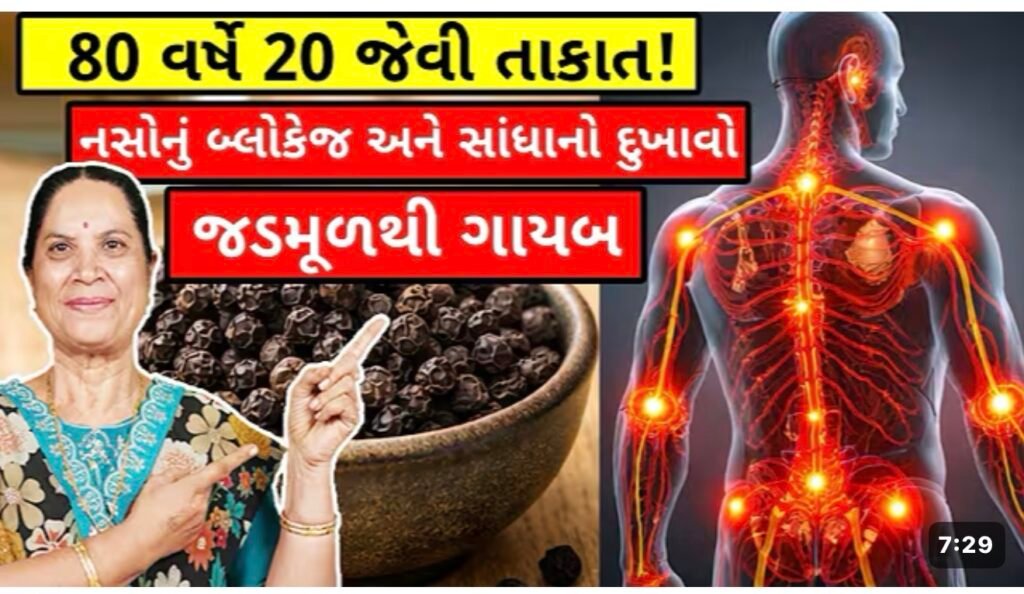
A vein blockage and joint pain are not typically the same condition, but they are frequently confused or can directly aggravate one another in the lower extremities. A vein blockage, such as a Deep Vein Thrombosis (DVT), occurs inside a blood vessel and is a medical emergency, whereas joint pain usually originates from structures inside the joint itself, such as arthritis.
If you are experiencing severe leg swelling, a “hot” feeling to the touch, or sudden shortness of breath, please seek emergency medical evaluation immediately.
How They Interact and Mimic Each Other
While they have distinct root causes, vein problems and joint problems often overlap in the following ways:
- Mimicking Pain: A blood clot behind the knee, known as popliteal vein thrombosis, can feel almost identical to a sudden joint issue, a severe muscle strain, or a ruptured Baker’s cyst.
- Fluid Pressure: Conditions like Chronic Venous Insufficiency (CVI) or advanced varicose veins cause blood to pool in the lower leg. This fluid buildup creates intense localized pressure around the knee or ankle, which can severely aggravate underlying joint pain.
- Shared Immobility Risks: Severe joint pain that keeps you in bed or limits your mobility directly increases your risk of developing a DVT due to a lack of active blood flow through the legs.
Key Differences: Vein Blockage vs. Joint Pain
| Symptom Feature | Vein Blockage (e.g., DVT) | Joint Pain (e.g., Arthritis) |
|---|---|---|
| Primary Location | Calf, thigh, or behind the knee | Directly within the joint space (knee, ankle) |
| Visual Changes | Skin redness, surface vein enlargement | Localized swelling over the bone/joint |
| Temperature | Area feels distinctly warm or hot to touch | Typically normal or slightly warm if inflamed |
| Pain Behavior | Constant dull ache, throbbing, or tightness | Worsens with specific movements or weight-bearing |
| Relief | Elevating the leg above heart level may ease it | Rest or gentle, unweighted movement helps |
When to Seek Immediate Emergency Care
A vein blockage can break free and travel to the lungs, causing a life-threatening pulmonary embolism. Head to an emergency room or call emergency services if you experience:
- Sudden shortness of breath or rapid breathing
- Chest pain that worsens when you take deep breaths
- A rapid or irregular heart rate
- Coughing up blood or feeling faint